

Can a Tooth With a Root Canal Get Infected Again?

Yes, a tooth that’s had a root canal can get infected again, though it isn’t common. Most root-canal-treated teeth stay healthy for many years, but reinfection can happen if bacteria were left behind, a canal was missed, the seal leaks or the tooth cracks. It’s a serious problem that won’t clear up on its own, and it can usually be fixed with retreatment from a dentist experienced in root canal treatment in Catford. Studies generally report root canal success rates of around 85 to 95%, depending on the tooth and how...
read moreCan Adults Get Braces on the NHS?

Adults rarely get braces on the NHS. NHS orthodontic treatment is mainly for under-18s with a significant clinical need, and adults usually only qualify in exceptional cases, such as when braces are part of jaw surgery or treatment after injury or certain medical conditions. For most adults who want straighter teeth, private options like invisible braces are the usual route, and crooked teeth on their own are common and not dangerous. It surprises a lot of people. They assume that because NHS dentistry covers fillings and extractions, it...
read moreCan a Wisdom Tooth Cause Ear Pain?

Yes, a wisdom tooth can cause ear pain. The nerves that supply your lower back teeth and your ear are closely linked, so pain from an infected or impacted wisdom tooth is often felt as an earache on the same side. It’s common and usually not dangerous in itself, but if it keeps coming back or comes with swelling or trouble opening your mouth, the tooth may need assessment for tooth extraction. This is called referred pain. Your brain gets signals from one area but reads them as coming from another. A lot of people visit their GP for an...
read moreHow Often Should You See a Dentist on the NHS?

On the NHS, adults should see a dentist anywhere from every 3 months to every 2 years, and children every 3 to 12 months, based on your dentist’s assessment of your own oral health. This guidance comes from NICE, and most people with healthy teeth and gums are recalled every 6 to 12 months, while anyone with gum disease or frequent decay is seen more often by their NHS dentist. A lot of people still assume everyone should go every six months. That was the old standard. Today, your recall interval is personal, and it can change from one...
read moreWhat Causes Yellow Teeth, and Can They Be Whitened?

Yellow teeth are usually caused by surface stains from tea, coffee, red wine and smoking, plaque and tartar, enamel thinning with age, or simply genetics. It’s very common and usually cosmetic, and most yellowing can be brightened safely with professional teeth whitening carried out by a dental professional. A single tooth that turns yellow, grey, or dark quickly is different and should be checked, because it can mean a problem with the nerve. If you’ve started hiding your smile in photos, you’re far from alone. Britain is a...
read moreWhat Is Dry Socket and How Can I Prevent It?
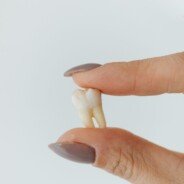
Dry socket is a painful condition that can happen 2 to 4 days after a tooth extraction, when the blood clot in the socket breaks down or falls out and leaves the bone exposed. You can lower your risk by not smoking, avoiding straws and hard rinsing, and following aftercare closely. If you think you have it, contact your dental clinic in Catford so the socket can be cleaned and dressed. It’s one of the most common complications after a tooth extraction in Catford or anywhere else. It affects roughly 2 to 5 in 100 routine extractions, and...
read moreSocial Media
 |


