

When Does a Tooth Need to Be Extracted? Signs, Process, and Aftercare in Catford

A tooth usually needs to be extracted when it is too damaged, decayed, or infected to be saved, or when it is causing crowding or other problems. Tooth extraction is a common, safe procedure, and in many cases it relieves pain and protects the health of surrounding teeth. If a dentist at a tooth extraction in Catford practice has recommended removal, it is usually because keeping the tooth would cause more harm than removing it. Needing an extraction can feel worrying, but it is rarely an emergency and the procedure itself is straightforward....
read moreNHS vs Private Dentist in Catford: Which Option Is Right for You?

Choosing between an NHS and a private dentist comes down to cost, choice, and the type of treatment you want. Both routes are delivered by the same GDC registered professionals and both provide safe, high quality clinical care, so neither is inherently better for your health. The right choice depends on your priorities, and a welcoming Dental Clinic in Catford can help you decide. Confusion about NHS versus private care is extremely common and rarely anything to worry about. The main differences are practical rather than clinical. If you are...
read moreIs Root Canal Treatment Painful? What to Expect at a Dental Clinic in Catford
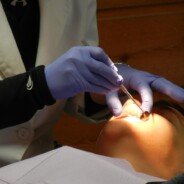
Root canal treatment is a routine procedure used to save a tooth that has become badly infected or inflamed deep inside. Despite its reputation, it is not the ordeal many people fear, and modern techniques make it comparable to having a filling. If you have been told you need one at a root canal treatment in Catford practice, the discomfort you feel now usually comes from the infection, not the treatment itself. Toothache severe enough to need a root canal is common, treatable, and should not be ignored, because delaying can lead to the tooth...
read moreWhat to Do in a Dental Emergency: A Patient Guide from a Dental Clinic in Catford

A dental emergency is any oral problem that needs urgent attention to relieve severe pain, stop bleeding, or save a tooth. Some issues, such as a knocked out tooth or facial swelling, are genuinely serious and time sensitive, while others are uncomfortable but can wait a short while. Knowing the difference matters, and a trusted emergency dentist can guide you quickly when something goes wrong. Most dental emergencies are treatable, and acting fast improves the outcome. If you are in Catford and unsure what counts as urgent, this guide...
read moreHow Much Do Invisible Braces Cost and How Do They Work at a Dental Clinic in Catford?

Invisible braces are a discreet, removable way to straighten mildly to moderately crooked teeth, and for most healthy adults they are a safe, effective and largely predictable treatment. Crooked or crowded teeth are extremely common, rarely a medical emergency, and in the vast majority of cases can be corrected without traditional metal brackets. If you have been searching for a trusted Dental Clinic in Catford to explain how clear aligners work and what they involve, this guide gives you clear, honest answers. The cost of invisible braces...
read moreWhat Is the Difference Between a Bridge and an Implant?
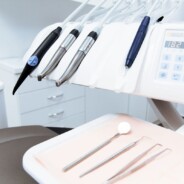
The main difference between a bridge and an implant is that a bridge replaces a missing tooth by anchoring to the neighbouring teeth, while an implant replaces the tooth root itself with a titanium post placed in the jawbone. Both are common, safe, and effective ways to replace missing teeth rather than serious procedures to fear, and the right choice depends on your bone health, budget, and long-term goals. Understanding how they differ makes the decision much easier. If you are comparing your options, the caring team at a trusted dental...
read moreSocial Media
 |


